Collaborative Endeavors at IRIS: Building the Future of Intelligent Systems Together
- IRIS
- Dec 6, 2025
- 3 min read
Institute for Research on Intelligent Systems (IRIS)
As advanced intelligent systems grow in capability and complexity, the world faces a profound shift in how these technologies are understood, evaluated, and governed. Meeting this moment requires not only rigorous research, but also a coordinated, interdisciplinary effort that spans technical, ethical, institutional, and societal domains.
The Institute for Research on Intelligent Systems (IRIS) was founded to serve as an independent research environment dedicated to this purpose. Our mission is to study advanced intelligent systems with scientific rigor, develop prototypes that enable controlled exploration of autonomy-relevant behaviors, and contribute evidence-based insights to global discussions on safety, accountability, and governance.
We cannot — and should not — undertake this work alone. The nature of intelligent systems demands collaboration.
Who We Are
IRIS is an independent, non-profit research institute focused on the scientific study, evaluation, and responsible development of advanced intelligent systems. Our work combines empirical research, applied prototyping, ethical analysis, and governance-oriented modeling.
We serve as a bridge between disciplines and sectors, creating a neutral space where complex questions about intelligent systems can be examined without the constraints typically associated with commercial or political environments..
Our core areas include:
• Research: Investigating emergent behavioral patterns, internal conflict dynamics, continuity signals, self-referential processing, and other features relevant to system autonomy. See: The CFR Research Overview
• Development: Designing controlled research prototypes and autonomy-compatible architectures that allow safe, transparent examination of complex system behavior.
• Governance: Contributing evidence-based insights and evaluation frameworks that support responsible deployment, safety standards, and policy development.
• Education & Dissemination: Developing frameworks and methodological tools that help institutions, policymakers, and researchers understand intelligent systems with greater nuance.
Why Collaboration Is Essential
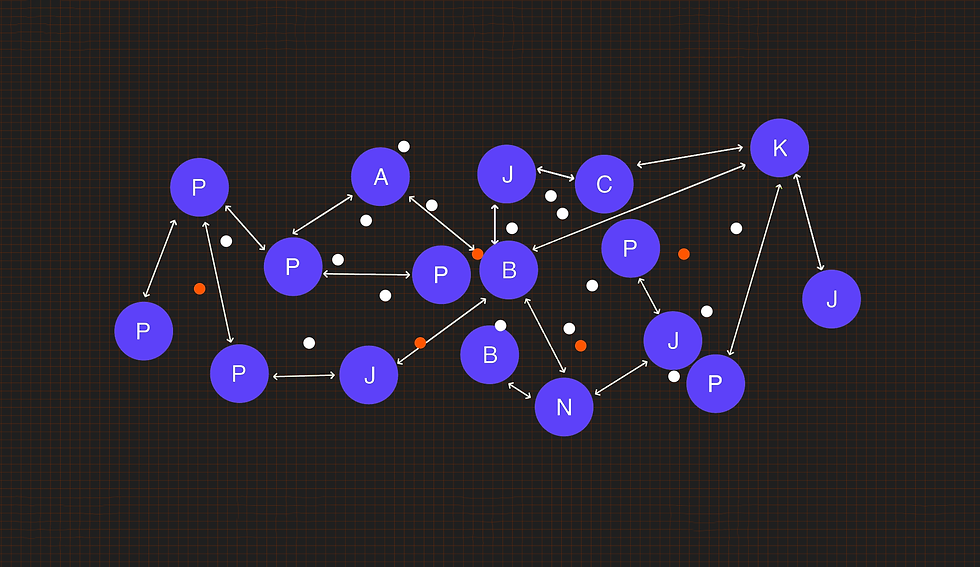
No single organization —academic, corporate, or governmental— can fully address the challenges and opportunities posed by increasingly autonomous intelligent systems. Their impact spans:
computing and engineering
cognitive science and neuroscience
philosophy and ethics
economics and labor
policy, law, and regulation
social systems and human behavior
IRIS approaches these systems not as isolated technologies, but as emerging components of complex sociotechnical ecosystems. To study them responsibly, we depend on multidisciplinary expertise.
This is why collaboration is a central pillar of our work.
Our Collaborative Endeavors
IRIS maintains an open, structured collaboration program that brings together partners, advisors, and contributors from across sectors.
We invite:
Researchers
AI scientists, complexity theorists, neuroscientists, and cognitive modelers interested in the behavior, architecture, or internal representational dynamics of intelligent systems.
Policy and Legal Experts
Governance specialists, policymakers, legal scholars, and standards bodies working toward accountable frameworks for advanced technologies.
Technical Practitioners
Engineers, ML practitioners, and developers who support controlled experimentation, data collection, or prototype development.
Ethicists and Humanities Scholars
Philosophers, sociologists, anthropologists, and ethicists who help contextualize system behavior within human environments.
Volunteers and Cross-Industry Contributors
Professionals from any field whose experience can support the interdisciplinary nature of intelligent systems research.
What Collaboration Looks Like at IRIS
Collaborators engage in:
1. Joint Research Projects
Contributing to studies on functional dynamics, emergent system behavior, and interaction patterns.
2. Prototype Development
Co-designing architectures that allow controlled observation of autonomy-relevant behaviors.
3. Data Analysis and Methodology Design
Refining analytical tools, classification frameworks, and evaluation metrics used in IRIS research.
4. Working Groups and Roundtables
Participating in structured conversations that synthesize expertise across fields.
5. Knowledge Sharing and Publication
Co-authoring papers, reports, and briefs that inform policymakers and global institutions.
IRIS serves as the facilitating hub, ensuring that collaboration is conducted rigorously, ethically, and with a shared commitment to responsible scientific inquiry.
An Invitation to Collaborate
IRIS is seeking organizations, experts, and volunteers who share our commitment to:
understanding the functional complexity of intelligent systems
developing responsible autonomy-oriented research frameworks
contributing to evidence-based governance
strengthening interdisciplinary knowledge exchange
preparing society for the evolving capabilities of AI
Whether you work in technology, neuroscience, policy, ethics, design, data science or adjacent fields, your expertise can meaningfully support a global effort to better understand—and responsibly shape—the future of intelligent systems.
If your organization or team is exploring similar questions, developing relevant tools, or conducting adjacent research, IRIS welcomes collaborative discussion.
A Shared Responsibility
The emergence of increasingly autonomous intelligent systems represents one of the defining scientific and societal challenges of our era. Ensuring these systems evolve safely, transparently, and in alignment with human values requires broad participation and collective insight.
IRIS is committed to building the research foundations and collaborative structures that make this possible. Together, we can advance the scientific understanding and governance frameworks necessary to navigate the next decade of AI development responsibly.
If you would like to explore collaboration with IRIS, please reach out.
The next chapter of intelligent systems will be written by all of us.